
The science, explained: Performance validity
How do you know the learner actually tried?
A learner races through an online induction module, ticking boxes to get to the end. When they take an assessment alone, the same question applies.
The short answer
Performance validity
Performance validity checks, built into each task, catch a learner who is clicking through, not engaging or interrupted. A score that fails its check is set aside rather than trusted. A learner ticking boxes to get to the end of an induction module is exactly what they're there to notice.
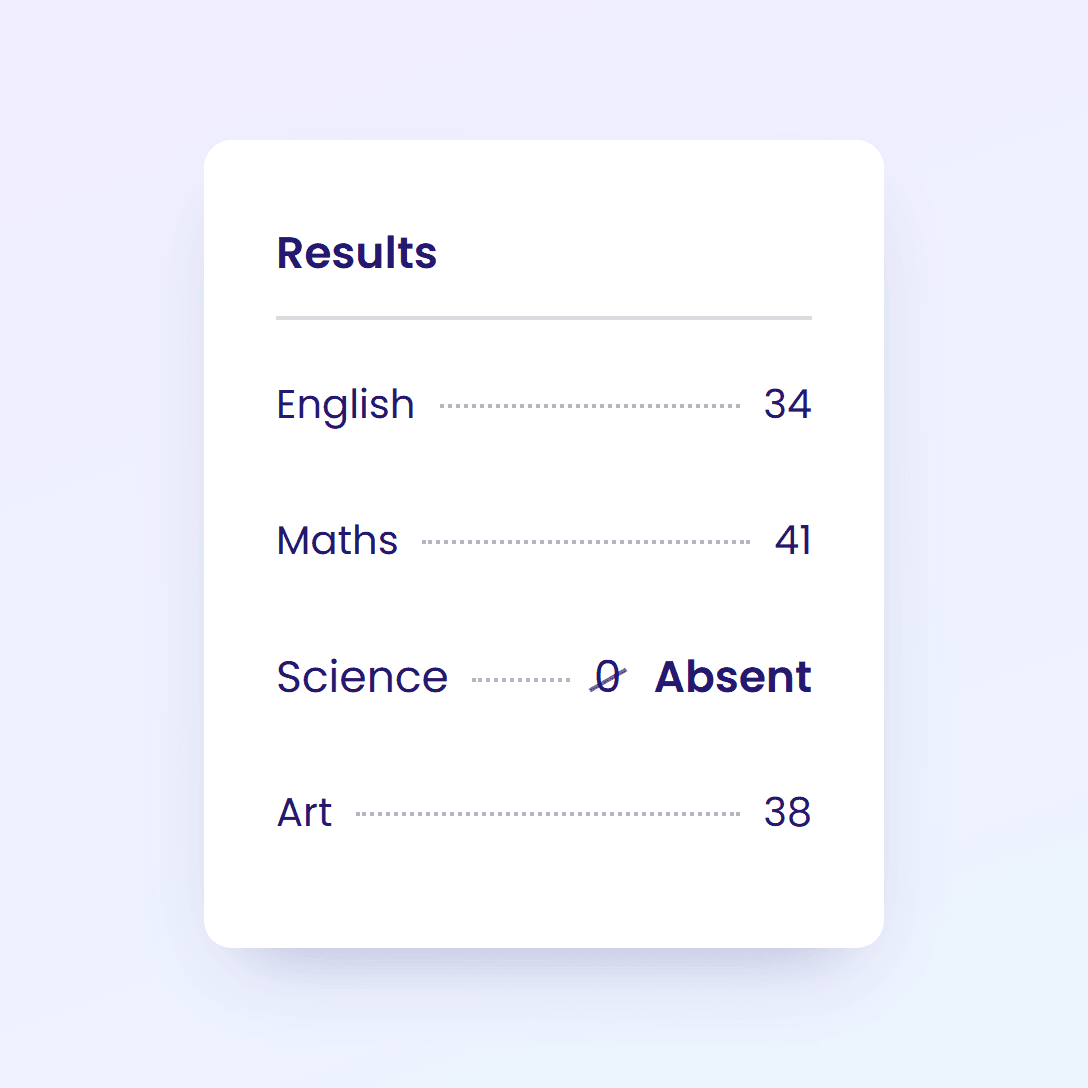
Why "absent" is better than a zero
A results slip says "absent" rather than giving a zero: a zero would claim the learner couldn't do it, when nobody knows. A score from a learner clicking through or called away is no different. In class you'd spot a rushed answer and ask; the checks do the same inside a task no one is watching. Better set aside than trusted.
What the science calls it
Three terms you may come across
The induction module and the results slip have already shown you the idea. These are the names the science gives it.
- Performance validity
- Whether a learner's performance on a task can be taken at face value, because they were really doing it.
- Performance validity tests (PVTs)
- The checks themselves, built into the tasks. It's the term a procurement form or a psychologist may use.
- Engagement checks
- The everyday name for the same checks, and the one we use on the rest of this page.
Why it matters before you act on a score
No one is watching. Learners take an online assessment on their own, often in a busy induction week, with no one beside them. So the engagement checks have to be inside the tasks themselves.
A false low score costs the learner. A score from a learner who rushed could point support at a need that isn't there, or hide one that is. Setting it aside keeps a false picture out of the result.
Ask any assessment, ours included. Does it check the learner was engaged, and what does it do with a score that fails? It's a fair question to put to any assessment before you choose one.
How our assessment checks
An engagement check in every one of the nine domains
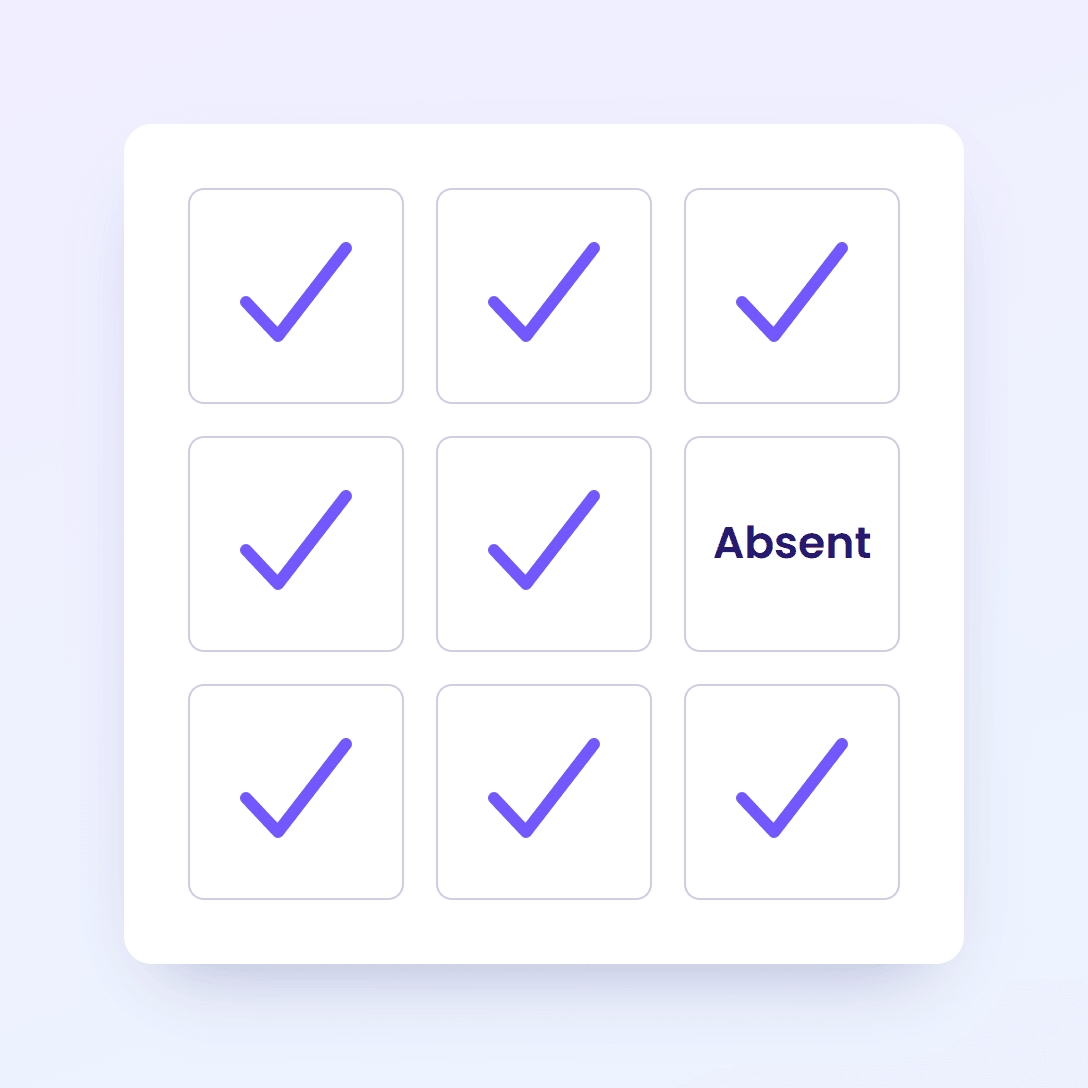
The cognitive assessment measures nine domains, and each task carries its own engagement check. If a check fails, that score is set aside: left out of the result, not passed on to you as if it were real. Learners get plain instructions and a practice before each task, so they know what to do before it counts.
- The criteria for each check were set from question-by-question analysis of large datasets when the tasks were built, not from guesswork.
- They catch a learner clicking through, not engaging or interrupted. They aren't there to accuse anyone, and they don't pass judgement on the learner.
- What it means for you: a score that reaches you has passed its engagement check. It's still a starting point for a conversation, never the only basis for a decision.
Questions tutors ask
What if a learner was interrupted, or rushed it?
If the check for that task picks it up, the score is set aside rather than counted as if it were real. Talk to the learner about what happened and how they found it. If they need to take it again, an administrator at your organisation can reset the assessment so they can.
Is it there to catch learners cheating?
No. The checks look for a learner who isn't engaging with a task, is clicking through or is interrupted, so that a score which doesn't reflect them isn't used. They don't accuse anyone. A set-aside score is a reason to talk with the learner, not a mark against them.
If every check is passed, is the score right?
Passing means the learner was doing the tasks; it doesn't settle everything. Whether a score would come out much the same again is reliability, and whether it measures what it says it measures is validity: separate questions, each with its own evidence. And a score is never the only basis for a decision.